
Renew Pain Solutions provides Spinal Cord Stimulation and Dorsal Root Ganglion Stimulation
This page explains two advanced neuromodulation treatments—Spinal Cord Stimulation (SCS) and Dorsal Root Ganglion (DRG) Stimulation—for patients with chronic nerve‑related pain that has not improved with conservative care. It defines how each therapy works, what patients can expect during treatment, and the differences between SCS and DRG in terms of targeting, precision, and ideal use cases. The page guides patients toward understanding whether neuromodulation may be appropriate for their condition and encourages them to seek evaluation for personalized treatment options.
Chronic pain often stems from dysfunction with the nerves. Nerve pain is especially troubling for people because it may not respond to pain medication. And in some cases, no surgical treatment exists.
Spinal Cord Stimulation and Dorsal Root Ganglion Stimulation are effective treatments for patients struggling with back pain and nervous system dysfunction, specifically dysfunction involving the nerves.
At Renew Pain Solutions, our team is dedicated to providing the most effective and least invasive treatments possible. We are pleased to offer both Spinal Cord Stimulation (SCS) and Dorsal Root Ganglion Stimulation (DRG) as part of our pain control options because they are far less invasive than major surgical solutions, yet they provide lasting relief for many patients.
What is Spinal Cord Stimulation (SCS)?
Spinal cord stimulation can provide relief for patients with chronic, severe pain conditions that have not responded to treatment or that aren’t treatable via surgical means. SCS can also help patients with post-laminectomy syndrome persistent spinal pain syndrome (PSPS), which occurs when certain back surgeries are unsuccessful.
SCS treatment is used to manage a variety of conditions involving nerve pain, including these:
If you suffer from any of these or other chronic, severe back pain, you may be a good candidate for SCS.
What to Expect from SCS
SCS involves placing leads into the epidural space which is between the spinal column and the dural sac. The leads are then connected to a battery system which sends an electrical signal to the leads which interrupt the pain signals traveling to and from the brain. Since your brain doesn’t receive those pain signals, you don’t feel the pain.
This trial procedure is an outpatient procedure done under light sedation with local anesthetic but does not require general anesthesia.
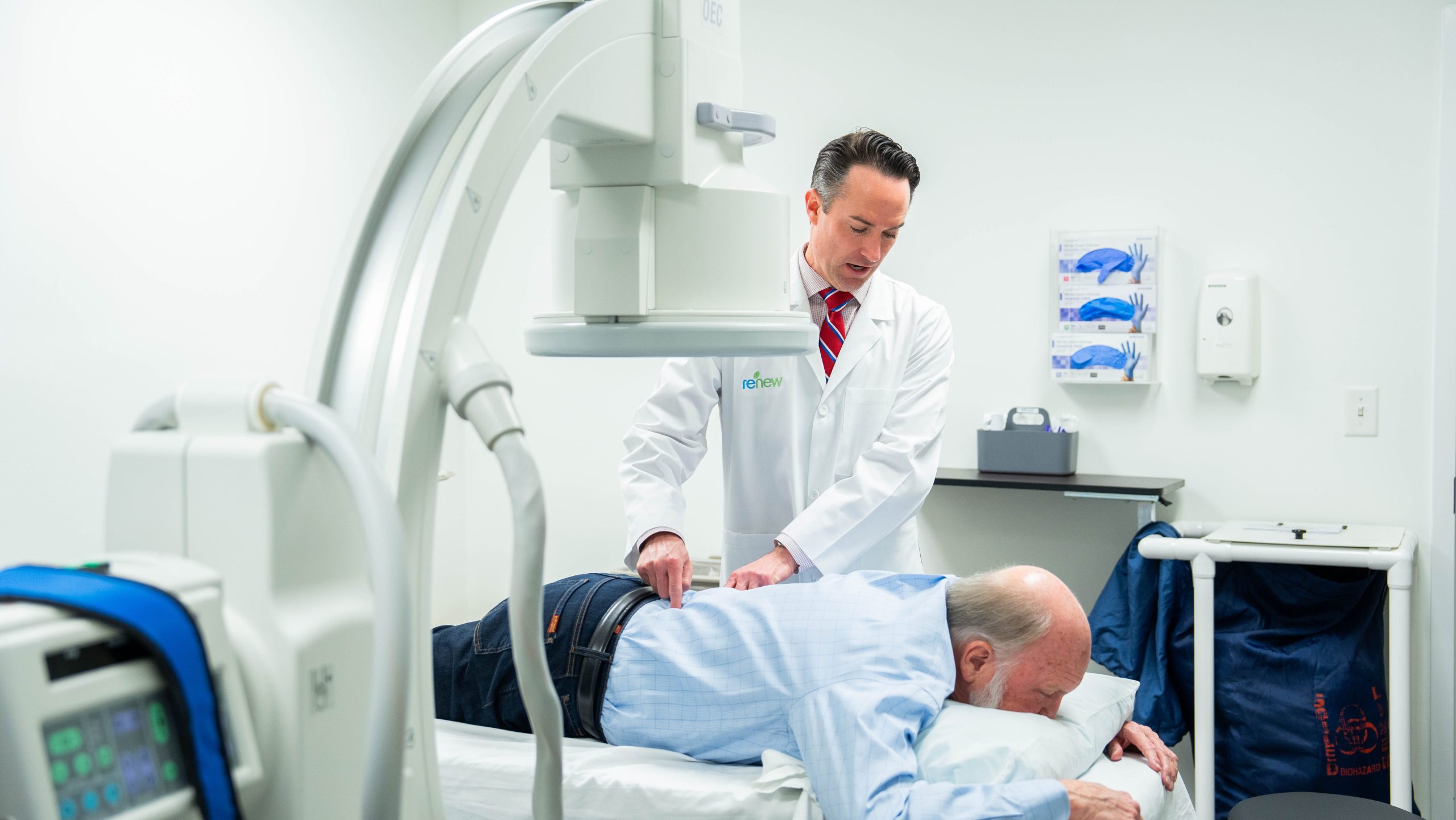
Because SCS requires precise placement, patients will have a trial placement first. The trial uses one or two temporary leads, which we place in our office, and an external battery. We will have you use the trial setup for five days. If it relieves your pain, then we will surgically implant the device at a hospital or ambulatory surgery center. This permanent implant procedure requires deep sedation or general anesthesia, but patients do go home that same day.
For many patients, SCS is quite effective at treating pain, delivering the relief that other approaches have failed to provide.
What is Dorsal Root Ganglion Stimulation (DRG)?
A second option we have for patients who need help with nerve pain but who are not candidates for surgery is dorsal root ganglion stimulation, or DRG. DRG is similar to SCS in that it also uses leads placed near nerves. However, DRG is more targeted than SCS, specifically targeting lower body pain.
We use DRG to treat the following conditions:
Like SCS, DRG is a less invasive, targeted therapy. The electrical signal it sends interrupts pain signals before they get to the brain, reducing the feeling of nerve pain.
What to Expect from DRG
Like SCS, DRG starts with a trial placement, typically done in a hospital or surgery center under moderate sedation. The temporary leads and external battery allow us to ensure the placement is accurate for your pain. If the five-day trial works as it should, then we will perform an outpatient surgery to place the permanent system. Like SCS, this procedure is done under heavy sedation or general anesthesia, and most patients can go home the same day.
What Is the Difference Between Spinal Cord Stimulation and Dorsal Root Ganglion Stimulation?
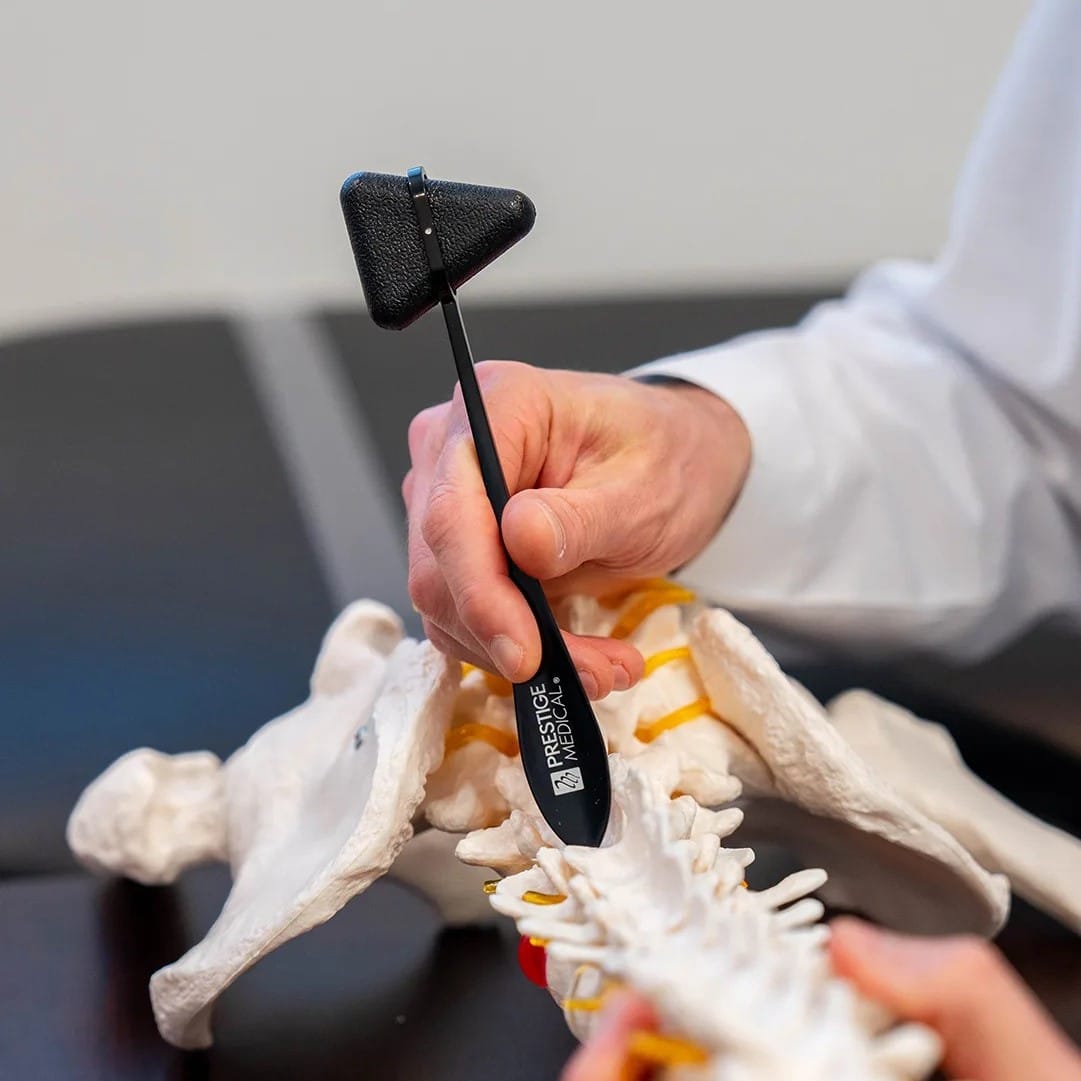
Spinal Cord Stimulation and Dorsal Root Ganglion Stimulation are similar treatments, but they have one primary difference. SCS treats a large portion of the spine or the entire spinal cord, while DRG targets the dorsal root ganglion for more precise pain management. The dorsal root ganglion specifically sends pain signals to the brain, making this a highly targeted treatment if your pain is concentrated in your lower body.
Get Help for Chronic Pain
At Renew Pain Solutions, we believe our patients don’t have to live with chronic pain. We compassionately provide minimally invasive, effective solutions to help you manage chronic pain conditions. We are pleased to include Spinal Cord Stimulation and Dorsal Root Ganglion Stimulation in our portfolio of treatment offerings for patients dealing with neuropathy and other nerve pain conditions.
If you are struggling with chronic pain of any type, reach out to our team to schedule a consultation. We’ll listen to you, evaluate your pain, and then walk you through available procedures and help you find a solution that will work.
Frequently Asked Questions
What is Spinal Cord Stimulation (SCS)?
Spinal Cord Stimulation uses gentle electrical pulses to interrupt pain signals before they reach the brain. A small device is implanted after a successful trial period, allowing patients to control their pain relief through an external remote.
What conditions can SCS or DRG stimulation treat?
These therapies are used for chronic neuropathic pain that has not improved with conservative care. Common conditions include failed back surgery syndrome, CRPS, diabetic neuropathy, radicular pain, and localized nerve pain in the foot, knee, groin, or hip.
How is DRG stimulation different from SCS?
DRG stimulation targets specific nerve roots at the dorsal root ganglion, making it ideal for highly localized pain. SCS covers broader regions of pain by stimulating the spinal cord. Your provider will determine which therapy best matches your pain pattern.
What happens during the trial period?
Patients complete a temporary trial lasting 5–7 days. Leads are placed through a small needle, and the device is tested to see how much pain relief it provides. If the trial is successful, patients may move forward with a permanent implant.
How long do neuromodulation devices last?
Rechargeable systems can last more than 10 years, while non‑rechargeable systems typically last 5–7 years depending on usage. Your provider will help you choose the system that best fits your lifestyle and treatment goals.
Related Articles
Understanding your treatment options is an important part of managing chronic pain. These articles offer deeper insights into how the SPRINT® PNS System works, how it compares to other therapies, what to expect during treatment, and how insurance coverage is handled. As we continue building out our educational library, you’ll find helpful resources here to guide your decision‑making.
What to Expect During an SCS or DRG Trial: A Patient Guide
What to Expect During an SCS or DRG Trial: A Patient Guide Understanding the Purpose of the Trial The trial period for Spinal Cord Stimulation (SCS) or Dorsal Root Ganglion (DRG) Stimulation allows patients to test the therapy before committing to a permanent implant....
SCS vs. DRG: Which Neuromodulation Treatment Is Right for You?
SCS vs. DRG: Which Neuromodulation Treatment Is Right for You? Understanding the Difference Between SCS and DRG Stimulation Spinal Cord Stimulation (SCS) and Dorsal Root Ganglion (DRG) Stimulation are two advanced neuromodulation therapies designed to reduce chronic...
DRG Stimulation Explained: Why It’s Ideal for Targeted Nerve Pain
DRG Stimulation Explained: Why It’s Ideal for Targeted Nerve Pain What Is DRG Stimulation? Dorsal Root Ganglion (DRG) Stimulation is an advanced form of neuromodulation designed to treat highly targeted nerve pain. The DRG is a cluster of nerve cells located just...
How Spinal Cord Stimulation Works: Understanding the Technology Behind Pain Relief
How Spinal Cord Stimulation Works: Understanding the Technology Behind Pain Relief What Is Spinal Cord Stimulation? Spinal Cord Stimulation (SCS) is an advanced therapy designed to reduce chronic nerve-related pain by interrupting pain signals before they reach the...
Ready to Find Relief from Chronic Nerve Pain?
Take the next step toward long‑lasting relief from chronic nerve‑related pain. If conservative treatments haven’t helped, Spinal Cord Stimulation or DRG Stimulation may offer the targeted relief you’ve been searching for. Schedule a consultation today to find out whether neuromodulation is right for you.