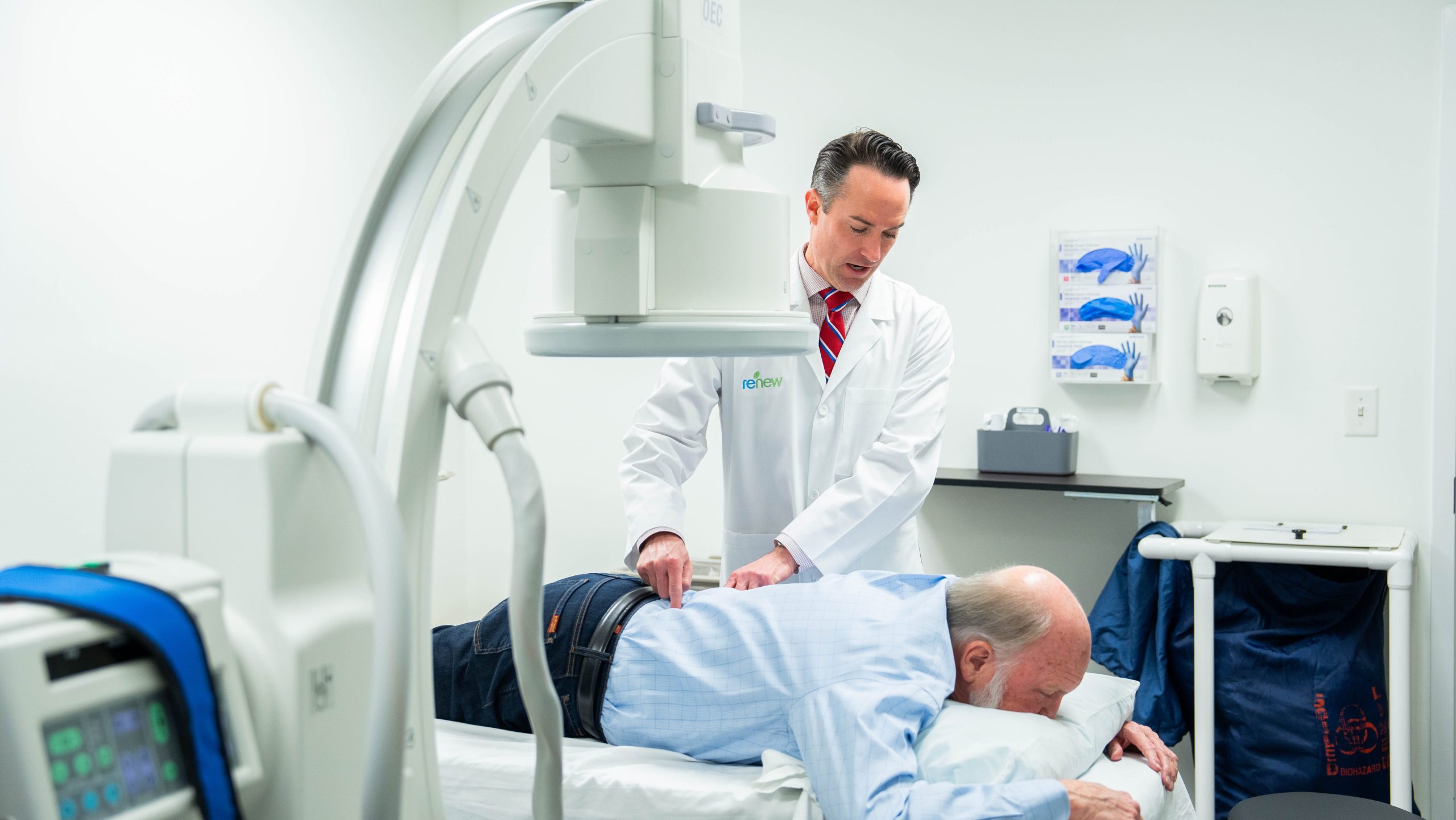

PRP Injections – Harness Your Body’s Natural Healing Capabilities
Platelet‑Rich Plasma (PRP) injections use a concentrated form of your own blood platelets to promote natural healing and reduce inflammation in damaged tissues. This regenerative therapy is commonly used for joint pain, tendon injuries, and chronic soft‑tissue conditions that have not improved with conservative treatments. Because PRP relies on your body’s own healing properties, it offers a safe, minimally invasive option for patients seeking long‑lasting relief without surgery or long‑term medications.
Imagine a world where you can treat your pain condition with your body’s own healing capabilities. With platelet-rich plasma injections, or PRP, that world is real.
Platelet-Rich Plasma: A Powerful Healer
Platelet-rich plasma contains plasma and an increased number of blood platelets. Platelets are the blood cells that clot when you have a wound, but they also have growth factors that contribute to healing.
In areas where you’ve had an injury, these cells stimulate the tissue to regenerate by triggering a cell reproduction process.
Your blood naturally contains both plasma and blood platelets, but PRP has a higher proportion of platelets.
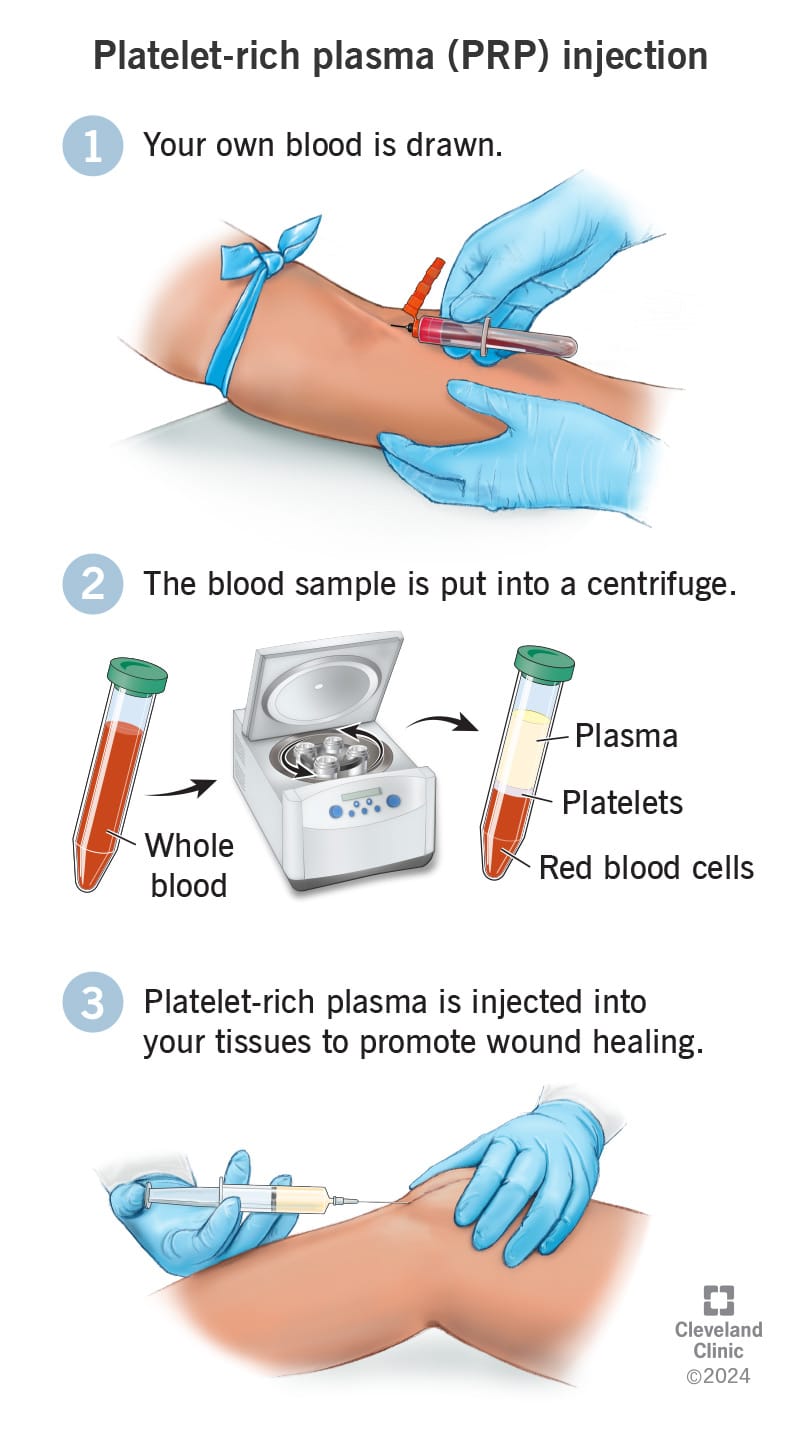
Making platelet-rich plasma is a fairly simple process. We will take blood from you, then send it into a centrifuge to separate the plasma, platelets, and other components. We then remix some of the plasma with platelets to make it more concentrated.
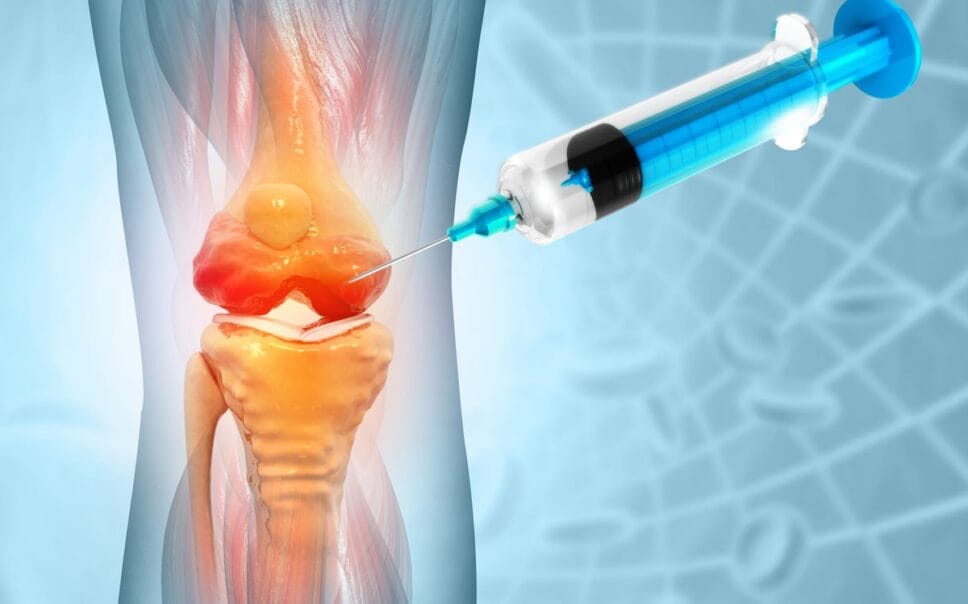
What Are PRP Injections?
PRP injections are a medical technique used to relieve pain and increase healing where platelet-rich plasma made from a patient’s own blood is injected directly into the injured area. Providers sometimes use ultrasound to guide the injection to the specific area that needs treatment. In many instances, these injections trigger your body’s natural healing process.
What Are PRP Injections Used For?
At Renew Pain Solutions, our focus is on helping our patients lessen their pain — and increase healing. We may prescribe PRP injections for these conditions:
- Injuries of the soft tissue, including chronic conditions like tennis elbow or jumper’s knee
- Healing after surgery to boost the body’s natural healing processes
- Treatment for osteoarthritis pain and stiffness
PRP injections are also sometimes used to treat hair loss or rejuvenate the skin as part of anti-aging treatments, though that is not our focus.
Benefits of PRP Injections
There are multiple benefits to PRP injections for patients who are good candidates for this treatment. These include:
- Treatment that uses the patient’s own blood to limit the risk of complications
- Speeding up the healing process to shorten healing time
- Decreasing overall pain in the injured area
As with any medical procedure, results are not automatic or guaranteed, but many patients report significant pain reduction and even see signs of additional healing after PRP injections.

Potential Risks of PRP Injections
PRP injection procedures are minimally invasive and low-risk. But like all treatments, there are a few potential side effects. Some patients will feel lightheaded during the blood draw portion of the procedure. You can lessen this risk by drinking plenty of water before you arrive. Sometimes the injection or blood draw site may have pain or bruising. However, the risk of any type of allergic reaction is very low since the procedure uses your own cells and plasma.
The risks you may experience include:
- Bleeding
- Infection
- Nerve damage
- Tissue damage
Again, these risks are very uncommon, and the experienced clinicians at Renew Pain Solutions will minimize your risk as we perform this procedure.
What to Expect from a PRP Injections Procedure
The PRP injection process at Renew Pain Solutions looks like this:
- Blood draw: At the start of your treatment, we will draw your blood, which we’ll use to create the platelet-rich plasma.
- Centrifuge: Your blood goes into the centrifuge to separate its components. We then use those components to create the PRP.
- Injection: The finished PRP is injected directly into the area. If needed, we can use ultrasound to guide the injection.
The entire process takes around an hour to complete, and you can return to your normal activities with minimal restrictions afterward. You may not notice relief immediately, but the PRP will start working and speeding up your healing.
Am I a Candidate for PRP?
If you have a soft tissue injury (whether chronic or acute) and you want to heal as quickly as possible, you may be a candidate for PRP injections. If you have tried other treatments like corticosteroids without success or with negative side effects, you may also be a candidate.
Be aware that if you take regular blood thinners, you may not be a candidate.
Faster healing is possible, and PRP injections could be a part of your solution. Book an appointment with our team to discuss this and other healing treatments, and get relief from your pain fast.
Frequently Asked Questions
What conditions can PRP injections treat?
PRP is commonly used for joint pain, tendon injuries, ligament sprains, arthritis, and chronic soft‑tissue damage that has not improved with conservative treatments.
How long does it take to see results?
Most patients begin noticing improvement within 4–6 weeks as the body’s natural healing response progresses, with continued improvement over several months.
Are PRP injections painful?
You may feel mild discomfort during the injection, but most patients tolerate the procedure well. Any soreness afterward typically resolves within a few days.
How many PRP treatments will I need?
Many patients benefit from a single treatment, while others may require a series of injections depending on the severity and location of the injury.
Is PRP covered by insurance?
Most insurance plans do not cover PRP because it is considered a regenerative therapy. Your provider can review expected costs before treatment.
Related Articles
Understanding your treatment options is an important part of managing chronic pain. These articles offer deeper insights into how the SPRINT® PNS System works, how it compares to other therapies, what to expect during treatment, and how insurance coverage is handled. As we continue building out our educational library, you’ll find helpful resources here to guide your decision‑making.
What to Expect During an SCS or DRG Trial: A Patient Guide
What to Expect During an SCS or DRG Trial: A Patient Guide Understanding the Purpose of the Trial The trial period for Spinal Cord Stimulation (SCS) or Dorsal Root Ganglion (DRG) Stimulation allows patients to test the therapy before committing to a permanent implant....
SCS vs. DRG: Which Neuromodulation Treatment Is Right for You?
SCS vs. DRG: Which Neuromodulation Treatment Is Right for You? Understanding the Difference Between SCS and DRG Stimulation Spinal Cord Stimulation (SCS) and Dorsal Root Ganglion (DRG) Stimulation are two advanced neuromodulation therapies designed to reduce chronic...
DRG Stimulation Explained: Why It’s Ideal for Targeted Nerve Pain
DRG Stimulation Explained: Why It’s Ideal for Targeted Nerve Pain What Is DRG Stimulation? Dorsal Root Ganglion (DRG) Stimulation is an advanced form of neuromodulation designed to treat highly targeted nerve pain. The DRG is a cluster of nerve cells located just...
How Spinal Cord Stimulation Works: Understanding the Technology Behind Pain Relief
How Spinal Cord Stimulation Works: Understanding the Technology Behind Pain Relief What Is Spinal Cord Stimulation? Spinal Cord Stimulation (SCS) is an advanced therapy designed to reduce chronic nerve-related pain by interrupting pain signals before they reach the...
Get Relief With PRP Injections
If you’re struggling with joint pain, tendon injuries, or chronic soft‑tissue damage that hasn’t improved with conservative care, PRP injections may offer the natural healing support you need. Schedule a consultation with Renew Pain Solutions to find out whether this regenerative treatment is the right option for your condition.