
Intracept®
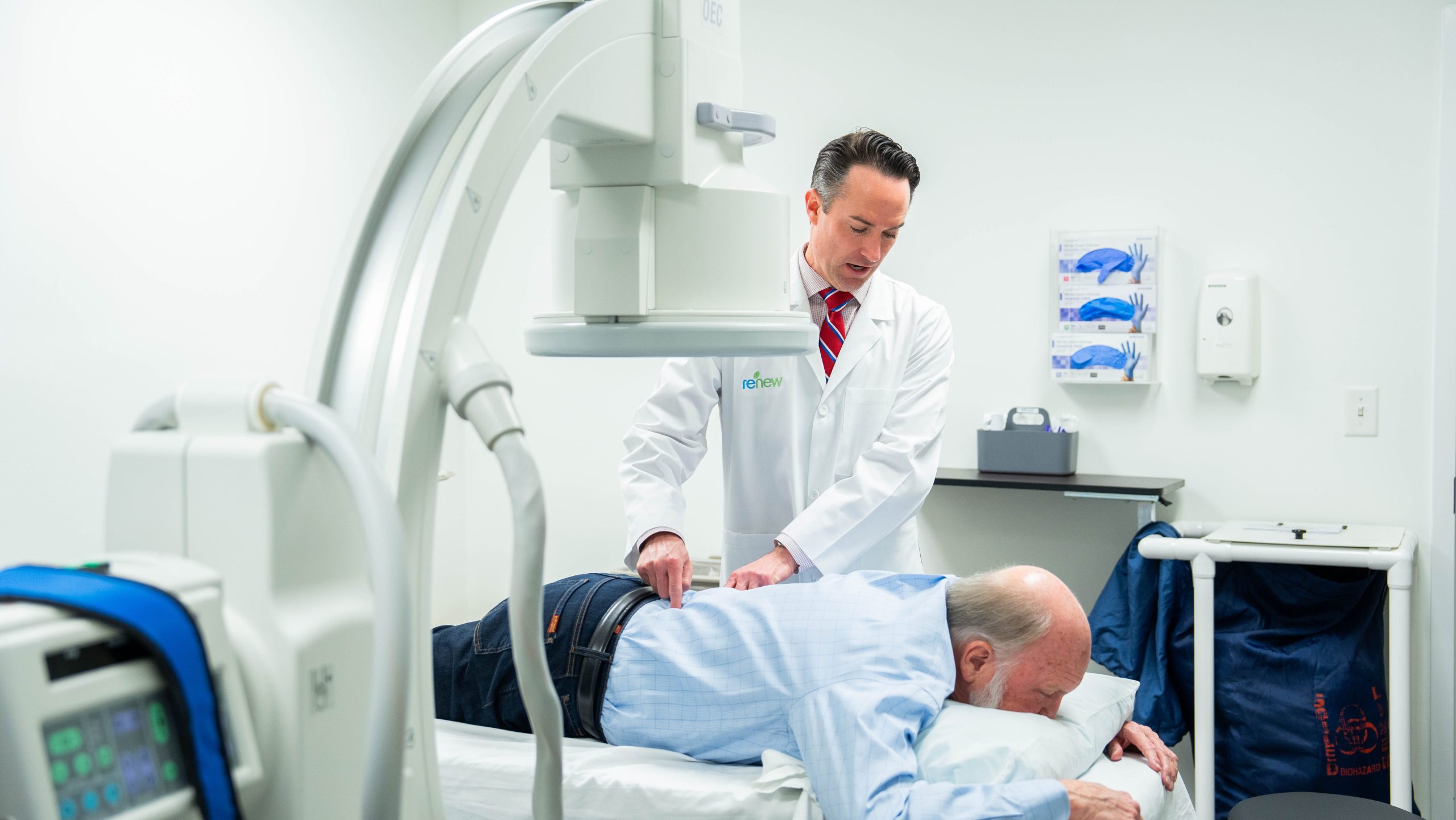
Renew Pain Solutions offers Intracept® Procedure for the treatment of vertebrogenic pain.
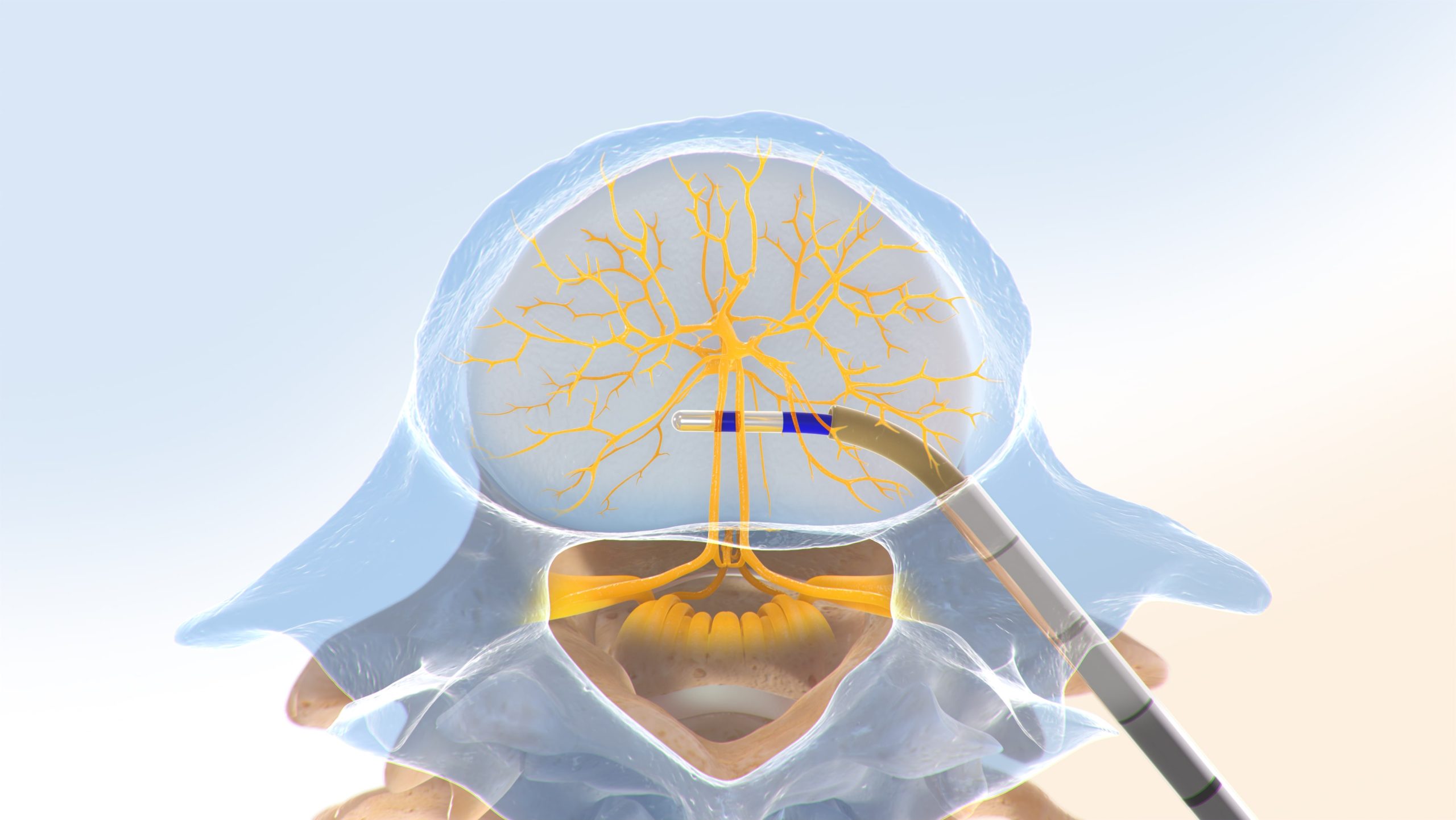
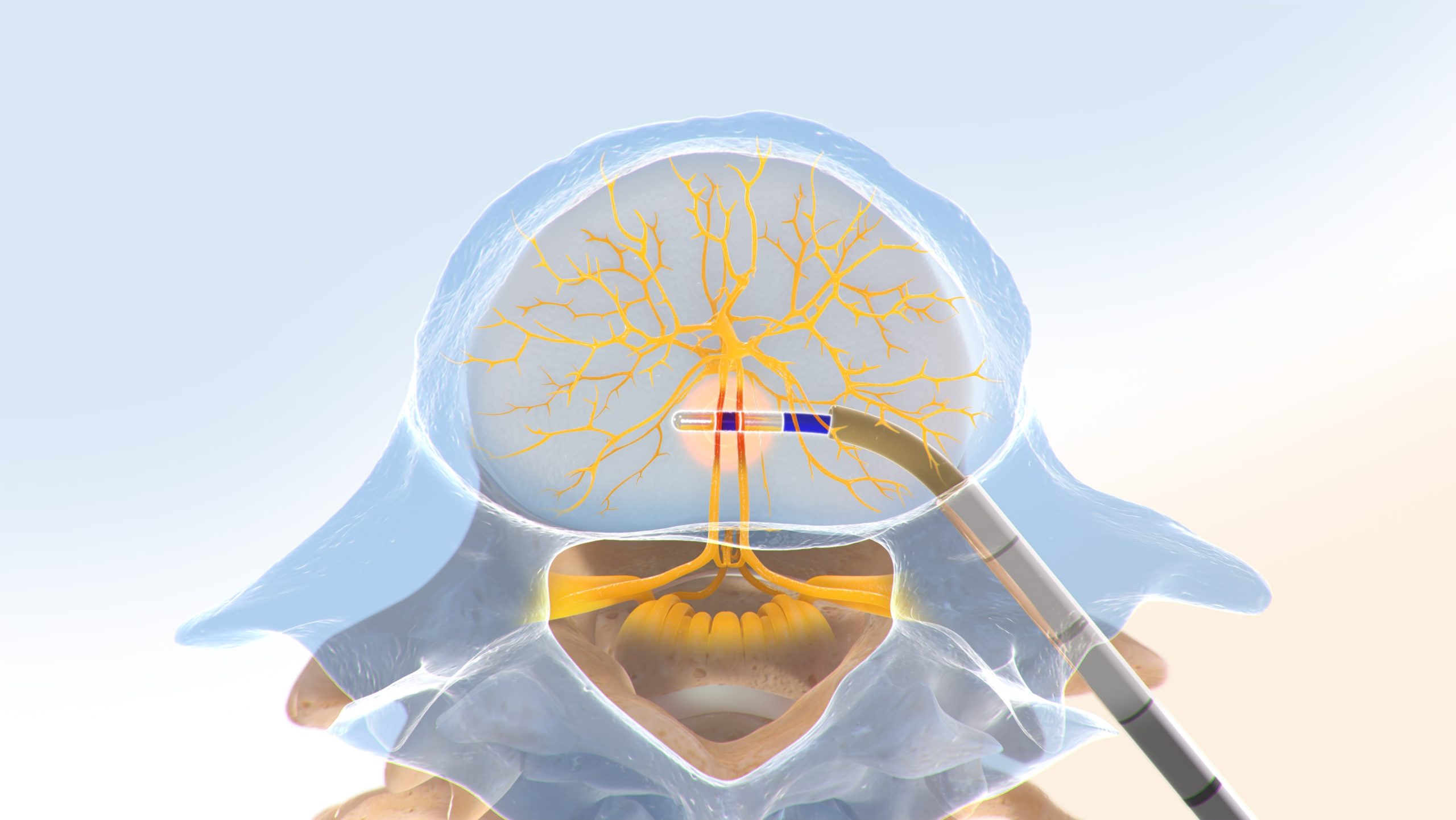
The Intracept® Procedure is a minimally invasive, FDA‑cleared treatment designed specifically for vertebrogenic pain—chronic low back pain originating from the vertebral endplates. This approach targets the basivertebral nerve, which is responsible for transmitting pain signals from damaged vertebral structures. By interrupting these signals, Intracept® provides long‑lasting relief for patients who have not improved with conservative treatments and who meet the clinical criteria for vertebrogenic pain.
What is Vertebrogenic Pain?
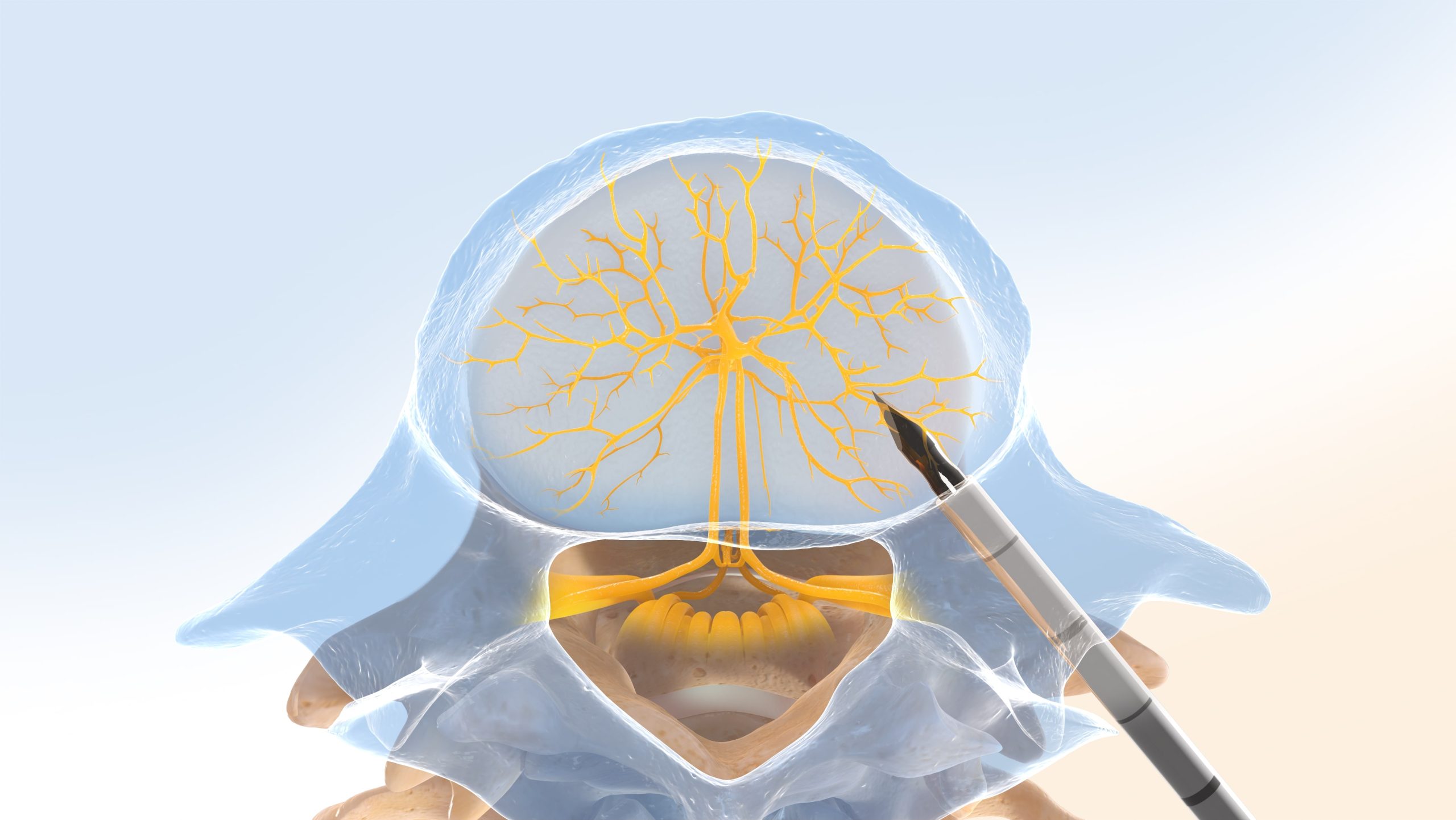
Vertebrogenic pain is a distinct type of chronic low back pain caused by damage to vertebral endplates, the tissue that covers the top and the bottom of each vertebral body and separates it from the disc. Disc degeneration, and the wear and tear that occurs with everyday living, produces stresses on the endplates that damage them, leading to inflammation and vertebrogenic pain. The basivertebral nerve (BVN), found within the vertebrae, carries pain signals from the inflamed endplates to the brain.
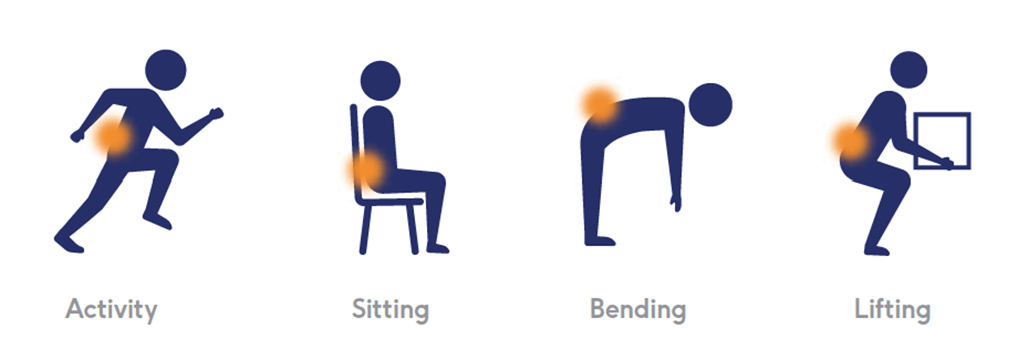
How Do Patients Describe Vertebrogenic Pain?
How does the Intracept® Procedure Work?
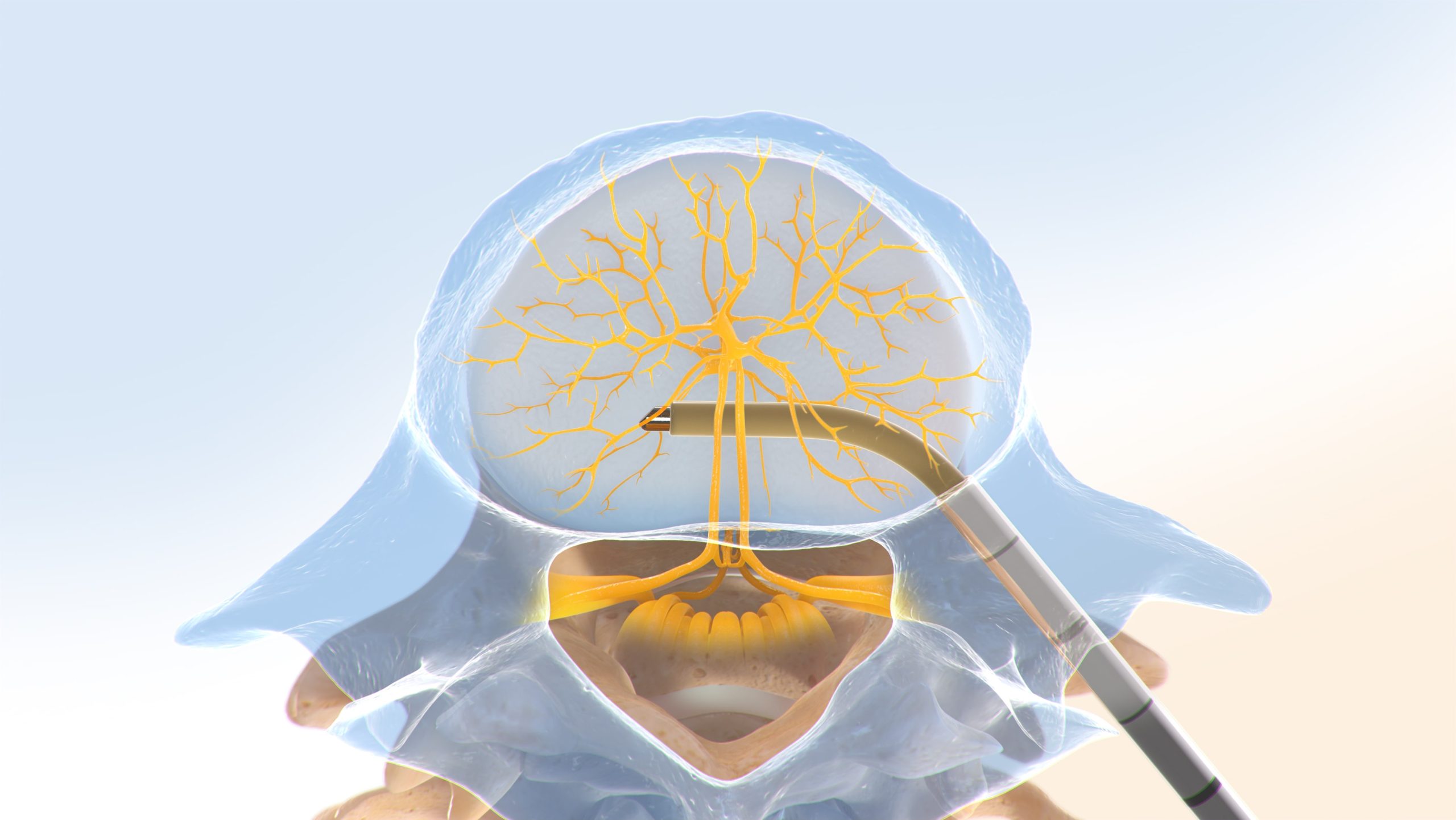
The Intracept Procedure is a minimally invasive, implant free procedure that preserves the overall structure of the spine. The Intracept Procedure is a same-day, outpatient procedure. Patients are under anesthesia, and the procedure generally lasts an hour. The procedure is FDA-cleared and is proven in multiple studies to be safe, effective, and durable. 2,3
How Do I Know If I’m a Candidate for Intracept®?
The Intracept® Procedure is indicated for patients who have had:
- Chronic low back pain for at least six months,
- Who have tried conservative care for at least six months, and
- Whose MRI shows features consistent with Modic changes – indicating damage at the vertebral endplates has led to inflammation.
The Intracept Procedure, as with any procedure, has risks that should be discussed between the patient and medical provider.

2 Fischgrund J, Rhyne A, Macadaeg K, et al. Long-term outcomes following intraosseous basivertebral nerve ablation for the treatment of chronic low back pain: 5-year treatment arm results from a prospective randomized double-blind sham-controlled multi-center study. Eur Spine J. 2020;29(8):1925-34. doi.org/10.1007/s00586-020-06448-x
3 Relievant data on file as of January 2023.
Frequently Asked Questions
What is vertebrogenic pain?
Vertebrogenic pain is chronic low back pain that originates from the vertebral endplates rather than the discs, joints, or muscles. When these endplates become damaged or inflamed, they activate the basivertebral nerve, which sends persistent pain signals to the brain. This type of pain is typically felt in the center of the low back and does not radiate down the legs.
How does the Intracept® Procedure work?
The Intracept® Procedure targets the basivertebral nerve, which is responsible for transmitting vertebrogenic pain signals. During the procedure, a specialized probe is placed into the vertebral body and uses radiofrequency energy to interrupt the nerve’s ability to send pain signals. Once treated, the nerve does not regenerate, allowing for long‑lasting relief.
Who is a good candidate for Intracept®?
Ideal candidates are patients with chronic low back pain lasting six months or longer, who have not improved with conservative treatments such as physical therapy, medications, or injections. MRI findings must show Modic Type 1 or Type 2 changes, which indicate inflammation or degeneration of the vertebral endplates. These imaging markers are essential for confirming vertebrogenic pain.
How long does pain relief from Intracept® last?
Clinical studies show that patients experience significant and sustained pain relief for years following the procedure. Because the basivertebral nerve does not regenerate, the results are long‑lasting, and many patients report improved function, reduced pain levels, and a better quality of life long after treatment.
What is the recovery like after the Intracept® Procedure?
Recovery is typically quick, with most patients returning to normal activities within a few days. Some may experience temporary soreness at the treatment site, but this usually resolves quickly. There are no implants, no hardware left behind, and no long‑term activity restrictions, making it a low‑impact option for chronic low back pain.
Explore More Resources
This section connects patients with additional educational content that supports the Intracept® Procedure and the broader topic of vertebrogenic pain. These articles help reinforce understanding of how the basivertebral nerve contributes to chronic low back pain, what makes Intracept® different from traditional treatments, what patients can expect during the procedure, and how insurance coverage typically works. Together, these resources strengthen the page’s topical depth and guide patients toward the information most relevant to their condition.
Is SPRINT® PNS Covered by Insurance? What Patients Need to Know
Is SPRINT® PNS Covered by Insurance? What Patients Need to Know Understanding Insurance Coverage for SPRINT® PNS When considering a new treatment for chronic pain, one of the first questions patients ask is whether it’s covered by insurance. The SPRINT® Peripheral...
What to Expect During Your 60‑Day SPRINT® PNS Treatment
What to Expect During Your 60‑Day SPRINT® PNS Treatment Understanding the 60‑Day Treatment Process Starting a new pain treatment can feel overwhelming, especially if you’re unsure what the process involves. The SPRINT® Peripheral Nerve Stimulation (PNS) System is...
SPRINT® PNS vs. Traditional Pain Treatments: Which Is Right for You?
SPRINT® PNS vs. Traditional Pain Treatments: Which Is Right for You? Understanding Your Pain Relief Options When you’re living with chronic pain, choosing the right treatment can feel overwhelming. Many patients try medications, injections, physical therapy, or even...
How the SPRINT® PNS System Reduces Chronic Nerve Pain Without Surgery
How the SPRINT® PNS System Reduces Chronic Nerve Pain Without Surgery Understanding the SPRINT® PNS System Chronic nerve pain can be difficult to manage, especially when traditional treatments like medications, injections, or physical therapy don’t provide lasting...
Ready to Find Out if Intracept® Is Right for You?
If you’ve been living with chronic low back pain that hasn’t improved with conservative treatments, the Intracept® Procedure may finally provide the relief you’ve been searching for. Our team specializes in identifying vertebrogenic pain and helping patients determine whether they are good candidates for this minimally invasive, long‑lasting solution. Schedule a consultation to review your MRI, discuss your symptoms, and take the next step toward lasting relief.